
Woman-owned · Family-run · Lakewood Local
Complete Homes Painting Services
Finish-coat quality that ties every repair together, from patch to paint.
Free estimate
Tell us what you need
Three fields. It reaches a person here, not a call centre.
Painting That Completes the Whole Home
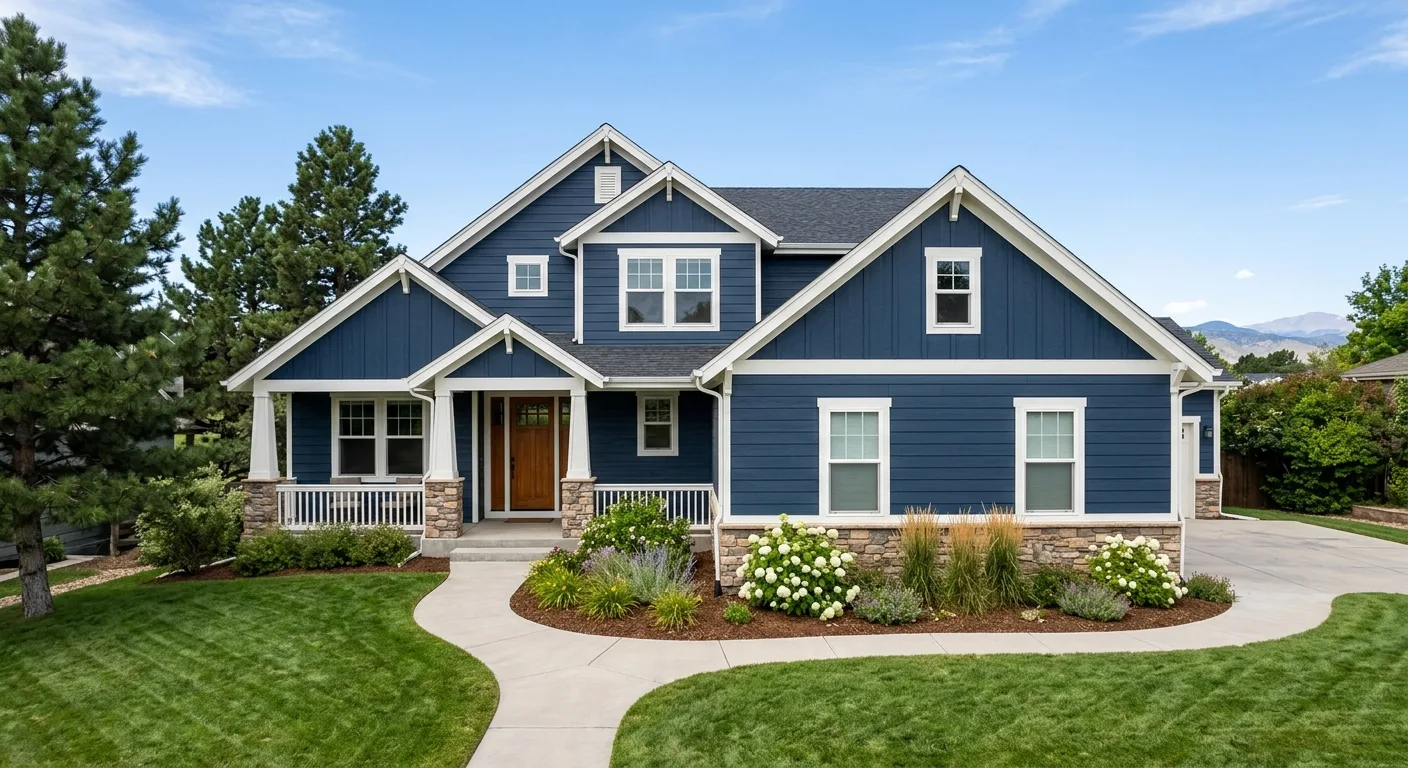
Complete homes painting is exactly what it sounds like: every wall, ceiling, and trim surface finished to a consistent, clean coat so nothing looks like it was touched up after the fact. I'm Cindy Loya, and at The Patch Lady I offer painting as part of a full interior renovation package across the Greater Denver metro. Whether you've got a freshly repaired wall that needs to blend back in, a basement we just finished framing and drywalling, or a room that simply needs a fresh start, I can carry the job through paint so you don't have to coordinate a second contractor. If your walls are ready for color, call (402) 419-9658 and let's talk through what it'll take.
Good painting isn't just rolling color on a wall. Prep determines almost everything: sanding seams smooth, spot-priming patches so they don't flash through the finish coat, cutting clean lines at ceilings and trim, and choosing the right sheen for the room's traffic and lighting. What drives cost up or down is scope (one room versus a whole floor), surface condition (new drywall is faster than walls with years of texture and old paint), ceiling height, and whether trim and doors are included. An open-plan main floor takes longer than a single bedroom but way less time than a full exterior. I don't quote painting blind -- I need to see the space. Every job is different -- contact The Patch Lady for an accurate estimate.
Why Painting and Drywall Work Belong Together
What's Included
How I Approach Every Painting Job
From surface prep to final walkthrough, every step matters.
- 01
Surface Prep First
I sand, fill, and prime before a drop of finish paint goes on. If there are old patches, nail pops, or rough texture transitions, I address them at this stage. Skipping prep is the fastest way to ruin an otherwise good paint job.
- 02
Primer Selected for the Surface
New drywall, repaired drywall, and previously painted walls all behave differently under finish coat. I pick the primer for the actual substrate, not the cheapest can on the shelf. This step is what keeps patches from flashing.
- 03
Careful Masking and Protection
Floors, trim, fixtures, and any surface that isn't getting painted gets covered before I open a can. Overspray and drips are preventable. I keep the site clean throughout the job, not just at the end.
- 04
Finish Coat Cut and Roll
I cut lines at ceilings, corners, and trim by hand before rolling the field. On ceilings I work in natural light where possible so I catch any missed spots before they dry. Two coats on walls is standard; some surfaces need a third.
Common Mistakes
Painting Mistakes That Cost More to Fix Later
Honest talk about where most paint jobs go wrong.
Skipping the Primer on Patches
A patched spot absorbs paint differently than the surrounding wall. Without the right primer, you'll see a dull circle through the finish coat. I've fixed a lot of these, and it always takes more coats than the homeowner expected.
Wrong Sheen for the Room
Flat paint in a bathroom or kitchen holds moisture and grows mold. Glossy paint on a bumpy wall telegraphs every imperfection. Sheen selection is a technical decision, not an aesthetic preference.
Rushing the Recoat Window
Every paint has a recoat window on the label. Painting over a coat that hasn't cured leads to peeling, dragging, and a finish that looks terrible within a year. There's no shortcut here worth taking.
Painting Over Problem Ceilings
A water stain on the ceiling will bleed through standard paint within weeks, sometimes days. The stain needs shellac-based primer before any finish coat. If you've got a ceiling that's been wet, that has to come first.
Our Process
Painting as Part of a Bigger Project
- 01
Drywall and Texture First
Whether it's a patch on a single wall or an entire room of new drywall, the surface gets finished and textured to match before paint starts. I don't skip stages.
- 02
Primer and Repair Touchups
After texture dries, I prime the whole surface and check for anything that needs a final sand or skim. This is the last chance to fix imperfections before they're locked under finish coat.
- 03
Finish Coats and Cleanup
Two coats of finish in your chosen color, clean lines at every edge, and a job site that's clean when I leave. If it's part of a larger residential remodeling or basement finishing project, I coordinate paint timing around the rest of the scope.
Painting Across the Denver Metro
I paint interiors and exteriors across the Greater Denver area, Monday through Saturday. If you're in any of these communities and need painting as part of a repair or remodel, call (402) 419-9658.
Five Stars Across 8 Google Reviews
I don't have hundreds of reviews. I have eight, and every one of them is five stars.
- Site left clean after every visit
- Floors, trim, and fixtures protected throughout
- Direct communication from Cindy
- No dispatchers, no guessing on status
- No cutting corners on prep
- Primer and surface prep before any finish coat
- Available Monday through Saturday
- Broad scheduling access, closed Sundays
Ready to Get Your Walls Finished?
Call for a free estimate on your painting project.
Frequently asked questions
Don’t see your question here? Call and ask — you’ll reach a real person who can talk it through.
Call (402) 419-9658